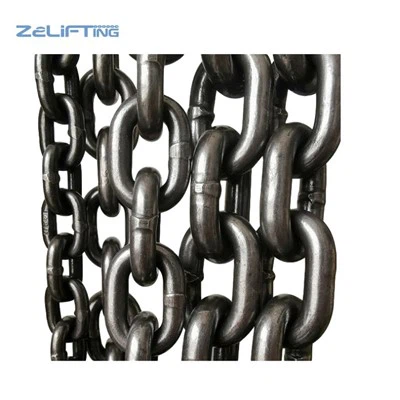
The capacity of a 4-leg chain sling, like any chain sling, depends on various factors, including the type and size of the chain used, the configuration of the sling legs, the angles at which the legs are used, and the working load limits (WLL) specified by the manufacturer.
To determine the capacity of a 4-leg chain sling, you need to consider the following:
Chain Size: The size (diameter) of the chain used in the sling significantly affects its capacity. Larger diameter chains can handle heavier loads.
Working Load Limits (WLL): Every chain sling has a specified WLL, which is determined by the manufacturer. The WLL is the maximum load the sling can safely handle under ideal conditions. It is typically indicated on the sling's identification tag or label.
Configuration: The way the 4-leg chain sling is set up and used also plays a role. If the legs are used in a symmetrical or balanced manner, the capacity is distributed evenly among the legs. However, if the configuration or angles are not ideal, it can reduce the effective capacity of the sling.
Angle of Lift: The angle at which the sling legs are used can significantly affect the capacity. As the angle increases from vertical (straight up), the effective capacity decreases. To calculate the effective capacity, you need to use a formula that takes the angle of lift into account.
Given these variables, it's crucial to consult the manufacturer's guidelines and tables provided with the chain sling. Manufacturers often provide charts and guidelines for calculating the WLL based on the specific parameters of your application, including chain size, angle of lift, and configuration.
Keep in mind that safety is of utmost importance when using chain slings, and you should never exceed the manufacturer's specified WLL or disregard the manufacturer's guidelines. In practice, a 4-leg chain sling may be used for heavy lifting applications, but the capacity should be determined based on the specific factors and guidelines applicable to the sling's design and usage. Always have a qualified person assess the situation and ensure the chain sling is suitable for the intended load and conditions.